Benefits of Becoming Happy Where You Are
In his mainstream book “The 7 Habits of Highly Effective People” Stephen Covey introduced principles that align with the popular Be-Do-Have model of leadership and or personal development. Tony Robbins makes use of the model in some of his writings. Although the model’s origin is somewhat debated, with attributions to both Stephen Covey and Ram Dass, its application remains universal.
The model aligns with Stepehn Covey’s principles which are very proactive in nature. In short, the Be-Do-Have model encourages you to cultivate certain qualities (Be), engage in specific actions, and behaviors (Do), and ultimately achieve desired outcomes (Have). =
The model’s basic principles are simple. The challenge lies within consistent execution of the principles.
Why Becoming Happy Where You Are?
Why use the title “Benefits of Becoming Happy Where You Are”? For many this is the first step in making a change and moving in a desired direction. If the first step encourages you to cultivate certain qualities, what are those and how do you cultivate them?
The title signifies a crucial starting point in the journey of personal growth. Being happy with your current circumstances doesn’t mean settling or becoming complacent; rather, it’s about finding contentment and gratitude in the moment. The qualities to cultivate in this Be aspect are fundamental to laying a solid foundation for future success and fulfillment.
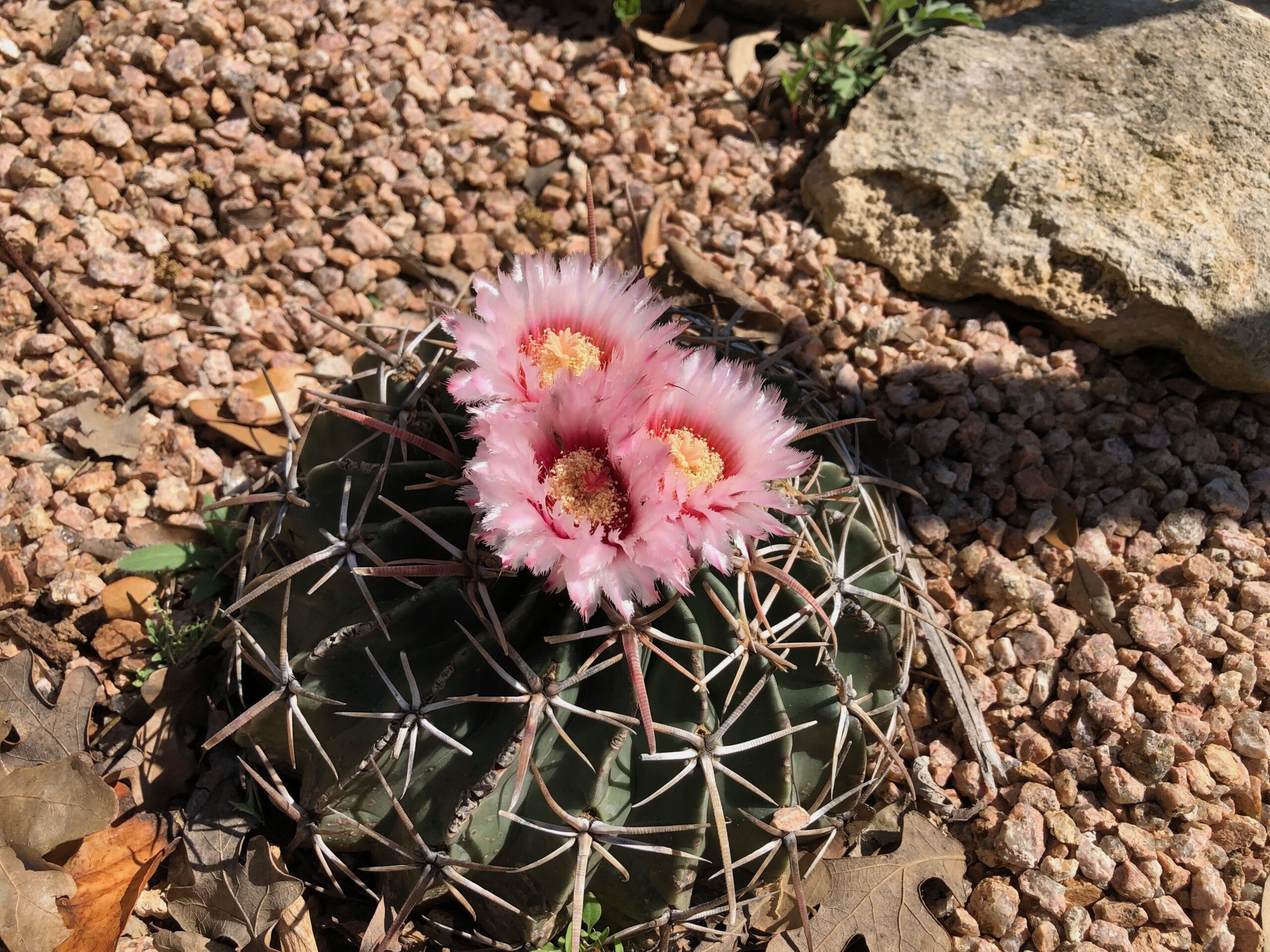
Here are five actions or activities that can help you grow to Be more happy where you are. Try to keep an open mind as you read through these as hippies and woo-woo science may have hijacked some of these practices making them a hard swallow for some people to read. Find a way to be like the cactus flowering between the rocks.
- Gratitude: Begin by appreciating the positive aspects of your life. Cultivate gratitude for the things you have, the people around you, and the experiences that have shaped you. Start a habit of keeping a gratitude journal or just start each day with thinking about three things you are grateful for. You might want to include something small each day, like the beautiful rain, or beautiful sunset. This simple yet powerful practice can be the slight direction change in focus you desire.
- Acceptance: Embrace the reality of your current situation. Acceptance doesn’t mean resignation; it means acknowledging where you are without judgment. Simple enough to say, acceptance without judgment can take some work. Change often starts from a place of acceptance and understanding, providing a clearer perspective on which direction to move in.
- Positivity: Maybe the most important one, and most sullied by the hippies. Consciously cultivating a positive mindset can have powerful implications. Quoting Charles Swindoll: “Life is 10% what happens to you and 90% how you react to it”, doesn’t mean ignoring challenges but reframing them in a way that allows for growth and learning. Positive affirmations will aid in reshaping your thought patterns.
- Self-Reflection: Take time to understand yourself better. Reflect on your values, goals, and aspirations. Make the time to write them down. The more you understand who you are and what truly matters to you, the better equipped you’ll be to make decisions that align with your authentic self.
- Mindfulness or Awareness: Practice living in the moment. Explore practices that will help you detach from the worries of the future or the regrets of the past, allowing you to fully experience and appreciate the present. For some meditation and mindfulness exercises can be valuable tools, for others it could be gardening or taking a walk in nature.
Establish a foundation of happiness through the Be aspect. This will position you to take meaningful actions. Not to be overlooked, the habits and routines cultivated in the Be stage becomes the driver for actions getting you to the outcomes you desire.
Protect attention at work via the focus and present-moment training guide — fewer tabs, deeper flow.
The Ripple Effect:
As you grow from Be to Do and Have the ripple effect of your change will become clear. If you are observant you will notice change within yourself before others. You will find that the content and happiness cultivated within yourself will infect those around you resulting in an environment of greater well-being.
In conclusion, the Be-Do-Have model provides a roadmap that can be used for personal development. Start by cultivating happiness within before taking larger external projects. Mastering the Be aspect through whichever practice allows you to lay the foundations for purposeful actions to get you where you want to go.
If you enjoyed reading this, go browse other posts under our Thoughts and Ideas section.
Take a moment and look at our Gallery with original Haiku and Limericks about aspects on habits and discipline.
Want to get a weekly email from us?
Sign up below for the Momentum Mementos and get a short email from us every week to help you maintain momentum on your own journey.